Suicide Postvention Training Course
Blended Learning Programme
Develop the skills to support individuals affected by suicide loss.
This certificate programme explores the complex emotional and psychological impact of suicide on individuals, families and communities. Learners examine postvention strategies that support healing, resilience and compassionate care. The course provides a framework for working sensitively and ethically with those experiencing grief and trauma following suicide.
Request information about this programme:
"*" indicates required fields
Programme Type: Minor award
Next Intake(s): TBC
NFQ: Level 7
ECTS: 10
Academic Validation: QQI
Professional Accreditation: N/A
Overview
Introduction
This programme consists of one 10 ECTS module that is conferred as a minor award. It is designed to allow learners to understand the complex nature of suicide bereavement and the psychological havoc that is created in the lives of suicide survivors. It will also introduce learners to a range of individual and group interventions to help facilitate the healing process. Learners will engage in taught sessions, discussion and engagement with key scientific literature related to the post-suicide landscape, the key principles of intervening with this client group and appropriate therapeutic resources and responses.
Who Should Apply
This certificate is designed for those who work therapeutically with clients and wish to increase their knowledge, skills and competencies in the area of bereavement following a suicide. It will be of interest to therapists, social workers, nurse practitioners, addiction workers, youth workers, social care workers and so on. When applying, please state in the ‘personal statement’ on the application form that you are only interested in studying the Suicide Postvention module.
Entry Requirements
Learners who enrol in this programme will be professionals who work clinically and therapeutically with clients who may be experiencing bereavement through suicide and who wish to undertake a shorter programme to enhance their knowledge, skills and competence in the area of working with survivors of suicide. Learners must have a clinical qualification that allows them to work therapeutically with clients. This programme is ideal for qualified practitioners to use for continuing professional development (CPD) specific to the area of suicide postvention. Please contact us if you have any queries about entry requirements.
Minimum Technological Requirements
You will need:
- Adequate broadband for uploading and downloading
- A desktop computer or laptop capable of using Zoom
- A webcam and microphone
- A web browser
- Word processing package
Expert Programme Facilitators
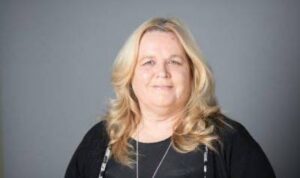
Dr Linda Finnegan
Dr Finnegan is a principal clinical psychologist and psychotherapist with many years’ experience working in adult mental health and specifically working with individuals and groups bereaved by suicide. She has trained in clinical psychology, cognitive behavioural psychology, integrative and humanistic psychotherapy and body psychotherapy. She is co-author with Christy Kenneally of Say yes to life: Discover your pathways to happiness and well-being.
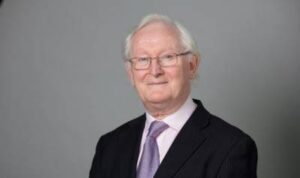
Christy Kenneally
Christy Kenneally is a communications consultant, international lecturer and keynote speaker with specialist expertise in bereavement and loss, suicide prevention and postvention, building resilience and effective communication. He is also a published author and scriptwriter for television and video, with over 35 years’ experience working in Ireland and internationally.
Christy has worked tirelessly over the last three decades in bereavement and loss, cancer support and positive mental health with organisations such as Living Links, the Samaritans, A Little Lifetime Foundation, Accord, the Irish Hospice Foundation, Bethany bereavement groups, the Irish Heart Foundation and the Irish Cancer Society.
He has published five novels, four books of poetry, three autobiographical works and two non-fiction books, Life after loss (a guide for those working with the bereaved) and Say yes to life: Discover your pathways to happiness and well-being (a self-help programme for overcoming depression and anxiety that he co-wrote with Dr Linda Finnegan).
Christy has worked extensively in corporate communication, nationally and internationally, and is well known for his television series, Heaven on Earth, and The Lost Gods, a six-part documentary series on the religions of the Egyptians, Greeks, Romans, Maya, Inca and Celts.